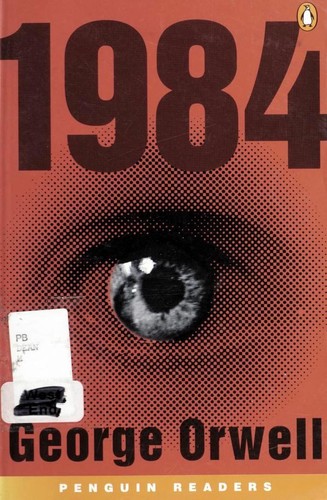
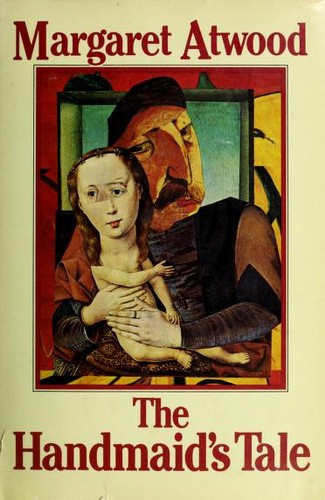
Like Fahrenheit 451, it presents a chilling vision of totalitarian control that suppresses individual thought and freedom. Both works critique how governments use technology and propaganda to manipulate society and erase intellectual dissent.
Both novels explore dystopian societies that prioritize comfort and conformity over free thought and authentic human connection. They share Bradbury's concern about how entertainment and passive consumption can undermine critical thinking and individual agency.
Like Fahrenheit 451, it depicts a repressive regime that controls language, limits knowledge, and strips away individual identity to maintain power. Both works center on quiet resistance and the revolutionary power of reading and remembering forbidden truths.
Made with care at RecomendaLibros. Store links are affiliate links and adapt to your country. If you buy through them, you help sustain the project at no extra cost.